What to wear in the United States
The weather in the US depends on the region, so a week in Florida and a week in Colorado need different clothes. That’s why it helps to check the climate for each stop on your route before you pack.
Southeast and Gulf Coast
- Hot and humid for much of the year
- Short, heavy thunderstorms on summer afternoons
- Bring light clothes, sunscreen and a light rain jacket
Southwest
- Dry, with very hot summer days
- Desert nights get cold, even after a hot day
- Bring a light jacket for the evenings in places like Arizona and Utah
Northeast and Midwest
- Cold winters with snow
- Summers that can be as hot and humid as the South
- Bring warm layers in winter and light clothes in summer
San Francisco is cooler than most visitors expect, because summer there is often grey and foggy. So if you’re going, bring a light jacket even in July.
Air conditioning in the US
Shops, cinemas, buses and planes are often strongly air-conditioned, so it can feel cold indoors even when it’s 35°C outside. If you keep a light jacket or a long-sleeved top in your daypack, you can put it on when you go inside.
Road trips and national parks
Distances in the US are longer than they look on a map, and many national parks are a long drive from the nearest town. Mobile signal often drops out in the parks and on desert roads, so download offline maps before you set off and keep water in the car. The road trip list covers the rest of what you need for the drive.
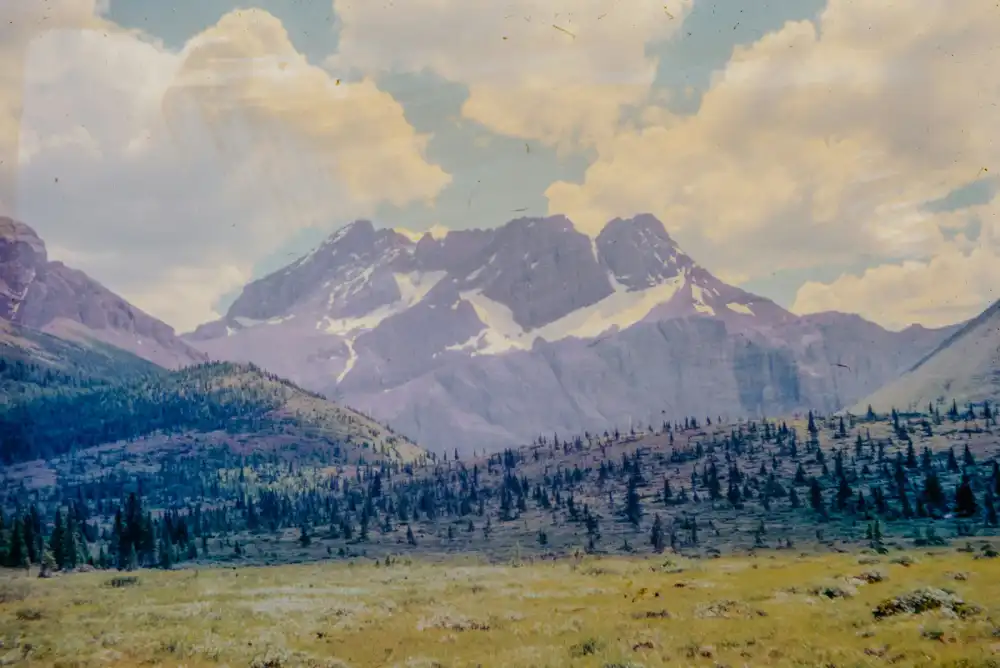
If you’re hiking in places like the Grand Canyon or Zion, carry more water than you think you’ll need. In the Rockies the sun is also strong at altitude, so you still need sunglasses and sunscreen when the air feels cool.
What not to pack for the United States
- Full-size toiletries: pharmacies are easy to find and sell travel sizes, so you can buy what you need when you arrive.
- A lot of cash: cards work almost everywhere, so you only need a few small notes for tips at hotels and bars.